CONCEPT
Slate OS
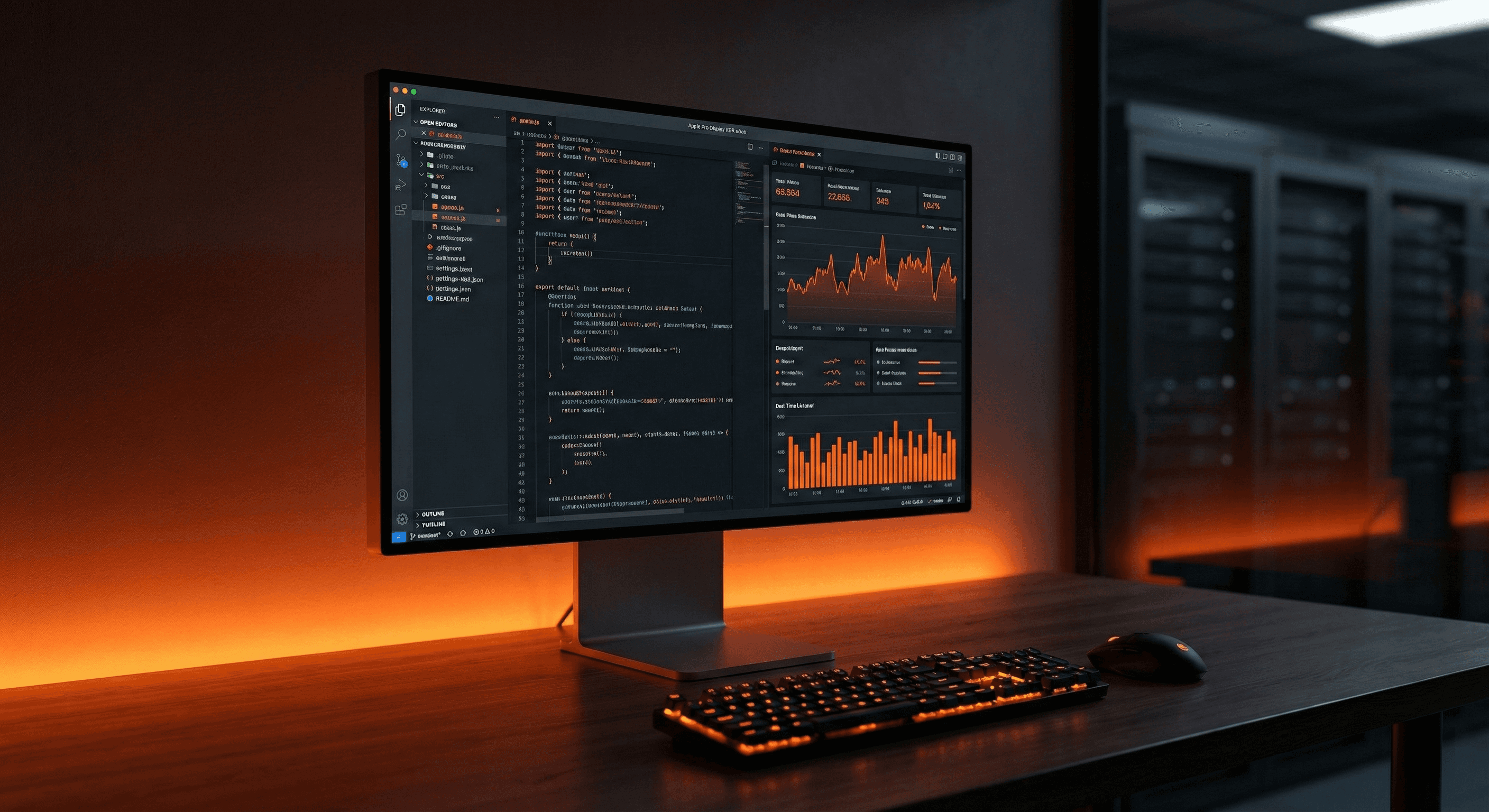
Concept for a distraction-free tablet operating system. Removes all notifications in favor of user-initiated 'focus modes'.
CLIENT
Concept / Self-initiated
ROLE
UI/UX Designer
YEAR
2025
STACK
Figma, Cinema 4D, After Effects
DURATION
4 months
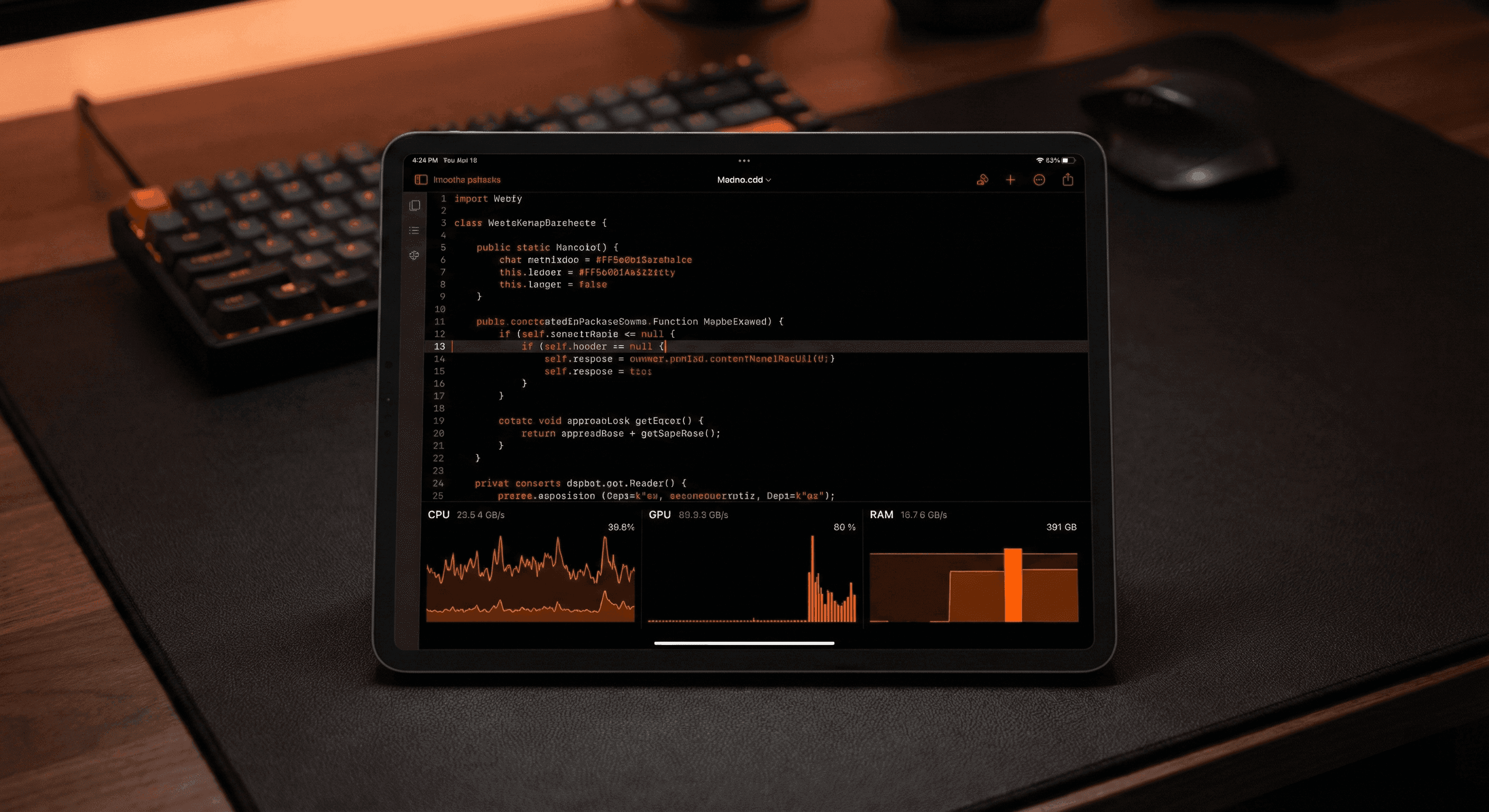
Slate OS entered a crowded productivity market dominated by feature-heavy giants like Notion and Asana. Their mission: radical simplicity. We partnered with them to design a minimalist "Work Operating System" that prioritizes deep work over constant notifications. The launch strategy and UI overhaul led to 50,000 waitlist signups and a Day 1 retention rate of 65%.
The Client
Slate OS is a startup building a unified workspace for creatives and developers.
Industry: B2B SaaS / Productivity
Target Audience: Designers, Writers, and Coders who need "Deep Work."
Philosophy: "Less is More."
The Challenge: The "Everything App" Fatigue
Users were burnt out. Competitor tools had become so complex that managing the tool took more time than doing the actual work. Slate needed to prove that fewer features could lead to more output.
Differentiation: How do you sell a product that does "less"?
Onboarding: Users were accustomed to complex setups; Slate’s emptiness felt "broken" to some early testers.
"The world doesn't need another tool with a thousand buttons. It needs a blank canvas that helps you think. We wanted Slate to feel like a quiet room in a noisy office." — Maya Lin, Founder of Slate OS
The Solution: The "Zen Mode" Interface
We designed the UI to be invisible until needed.
1. Context-Aware Menus We removed the permanent sidebar. In Slate, menus only appear when you hit a specific hotkey or hover over a specific zone. The rest of the time, the screen is purely the user's work.
2. The "Focus Shield" We built a feature that blocks all non-essential notifications (Slack, Email, etc.) while the user is in "Write Mode" or "Code Mode." It integrates at the OS level to enforce true digital silence.
3. "Monochrome" Branding To reinforce the philosophy, the entire brand identity was stripped of bright colors. We used a sophisticated palette of charcoals, slates, and off-whites. This wasn't just aesthetic; it reduced eye strain and signaled "serious work."
The Results
Viral Launch: The "Anti-Distraction" messaging struck a nerve on Twitter/X, driving massive organic traffic.
High Engagement: Users spent an average of 4 hours per session in the app, significantly higher than industry standards.
Niche Dominance: Slate OS quickly became the default tool for high-end design agencies and editorial teams.